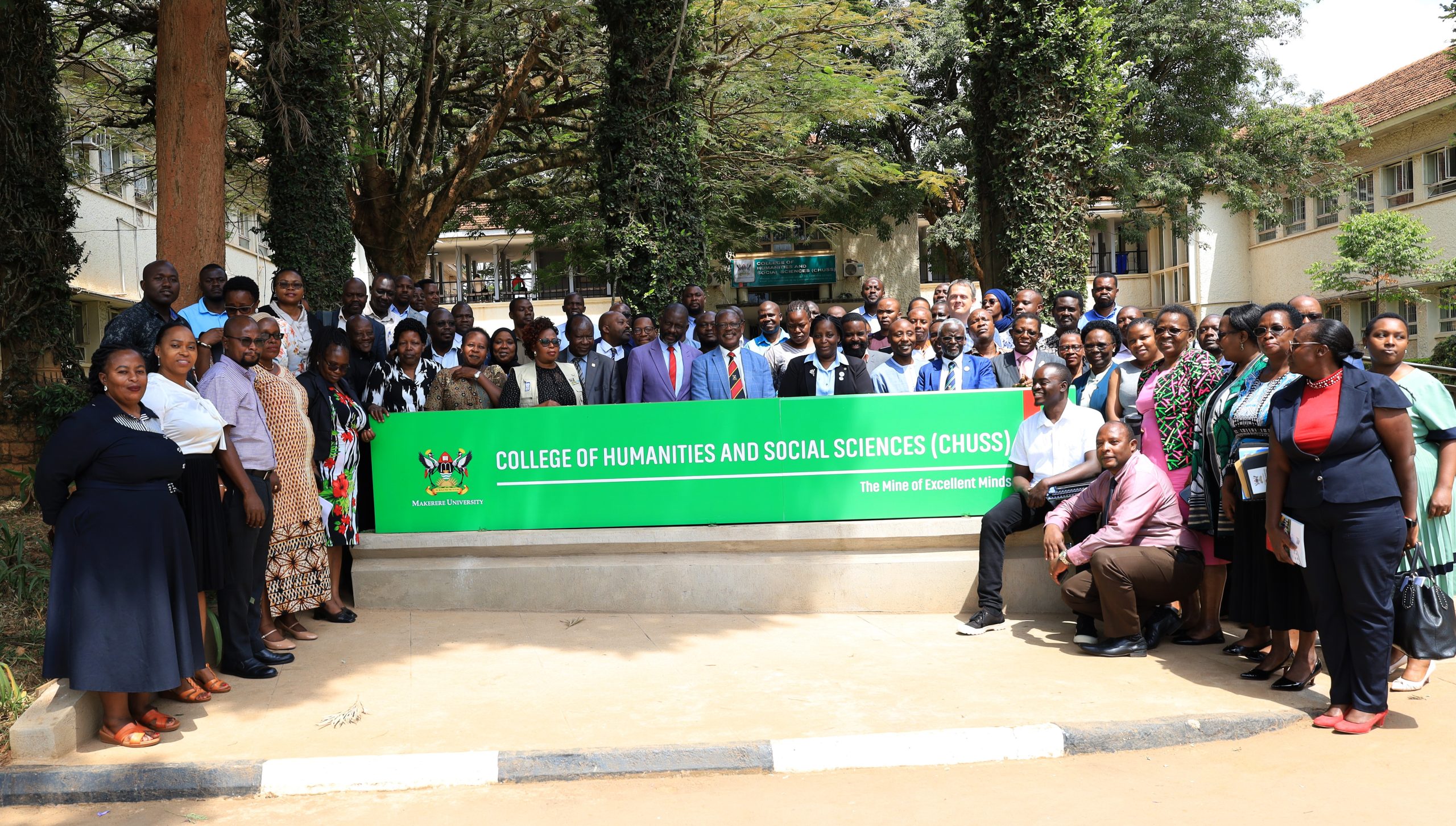
The Vice Chancellor of Makerere University, Prof. Barnabas Nawangwe, called upon academic units to admit all qualified PhD applicants, emphasizing that expanding doctoral education is essential for Africa's socio-economic transformation. He made the remarks during a visit to the Institute of Gender and Development Studies (IGDS) and the College of Humanities and Social Sciences (CHUSS), where he met with staff and leadership to assess graduate training, research, and institutional development.
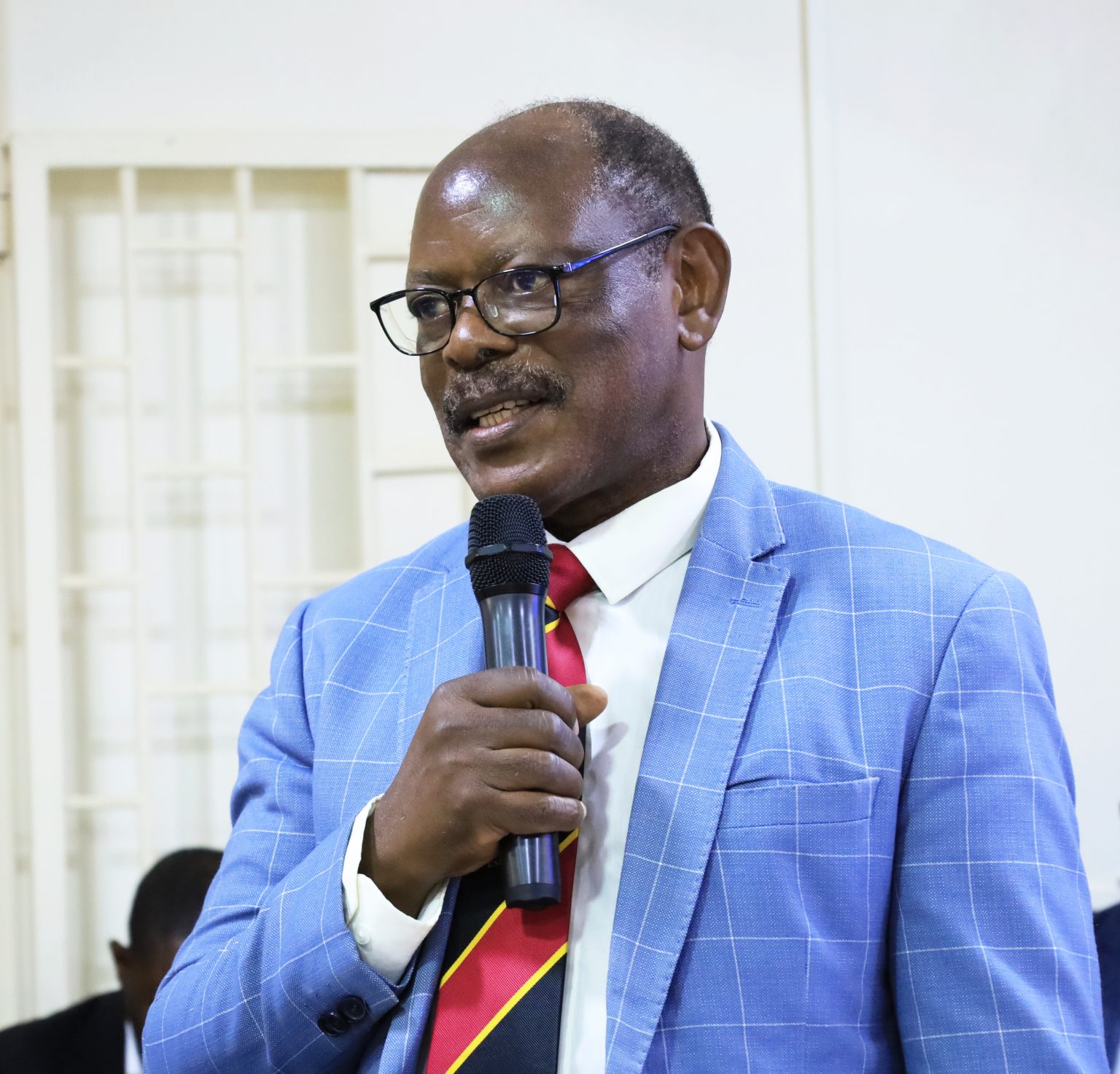
Addressing the meeting, Prof. Nawangwe observed that Africa's development depends on significantly increasing the number of doctoral graduates. Citing estimates by the World Bank, he noted that the continent requires one million PhD holders over the next decade but currently produces fewer than 40,000 graduates annually—far below the estimated requirement of 100,000 PhDs each year.
"Any PhD candidate you send away, you are doing a disservice to Africa," Prof. Nawangwe remarked, urging academic units to create opportunities for all qualified candidates despite challenges related to staffing and infrastructure.
Drawing comparisons with countries that have successfully transformed their economies through investments in higher education, the Vice Chancellor noted that Uganda currently has approximately 2,500 PhD holders, while South Korea produces nearly 12,900 PhDs annually and has built a strong knowledge economy through sustained investment in research and innovation.
Prof. Nawangwe commended Makerere University's growing research profile, noting that the institution has become one of Africa's leading research universities, attracting more than US$250 million annually in research funding. He emphasized that strengthening graduate education remains central to sustaining the university's research excellence and contribution to national and continental development.
IGDS Highlights Progress in Graduate Training and Research
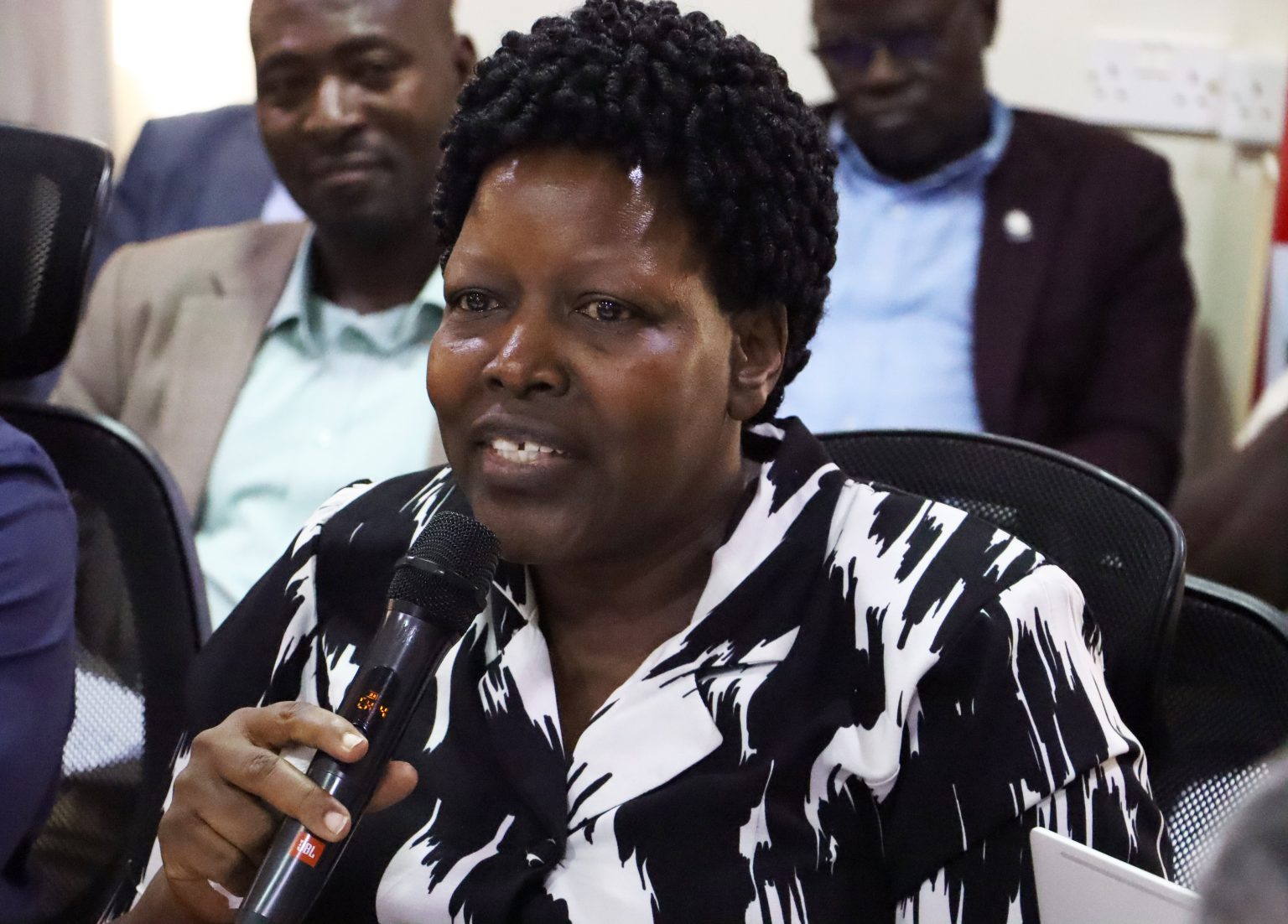
During the engagement, the Director of the Institute of Gender and Development Studies, Assoc. Prof. Ruth Nsibirano, presented the Institute's achievements and ongoing priorities in graduate education, research, and academic service from the Departments within the Institute; Department of Development Studies, Department of Women and Gender Studies and the Centre for Communication Skills.
She highlighted IGDS's expanding role in supervising master's and doctoral students from Uganda and across the region, while contributing significantly to interdisciplinary teaching within the university. The Institute continues to offer courses in gender studies, development studies, political economy, communication skills, and related disciplines to students across several colleges, reflecting its growing academic responsibility.
Assoc. Prof. Nsibirano also showcased the Institute's strong research collaborations with national and international partners, which have enhanced postgraduate training, knowledge production, and policy-relevant research. She noted that these partnerships continue to strengthen the Institute's contribution to advancing gender-responsive development and evidence-informed policymaking.
Despite these achievements, she pointed to critical infrastructure constraints that continue to affect teaching, research, and graduate supervision. She explained that inadequate office and learning spaces limit opportunities for effective engagement between staff and postgraduate students and constrain the Institute's ability to accommodate its growing academic programmes.
She therefore called for the completion of the Institute's building and greater institutional support to strengthen coordination, improve service delivery, and expand IGDS's capacity to deliver quality graduate education and impactful research.
University Introduces New Measures to Strengthen Graduate Research
The meeting also provided an opportunity for university leadership to present several initiatives aimed at improving graduate training and research management across Makerere University.
Graduate training reforms introduce structured PhD system and digital research tracking
Assoc. Prof. Julius Kikooma said the university is targeting an increase in graduate enrolment to 40 percent, up from the current levels in the early 20s, through improved policy frameworks and streamlined processes.
A major reform is the introduction of a structured, cohort-based PhD by research programme designed to improve supervision, clarity of milestones, and timely completion.
“We now run the PhD by research as a structured cohort-based programme,” Prof. Kikooma said, noting that the model enhances organisation and completion rates.
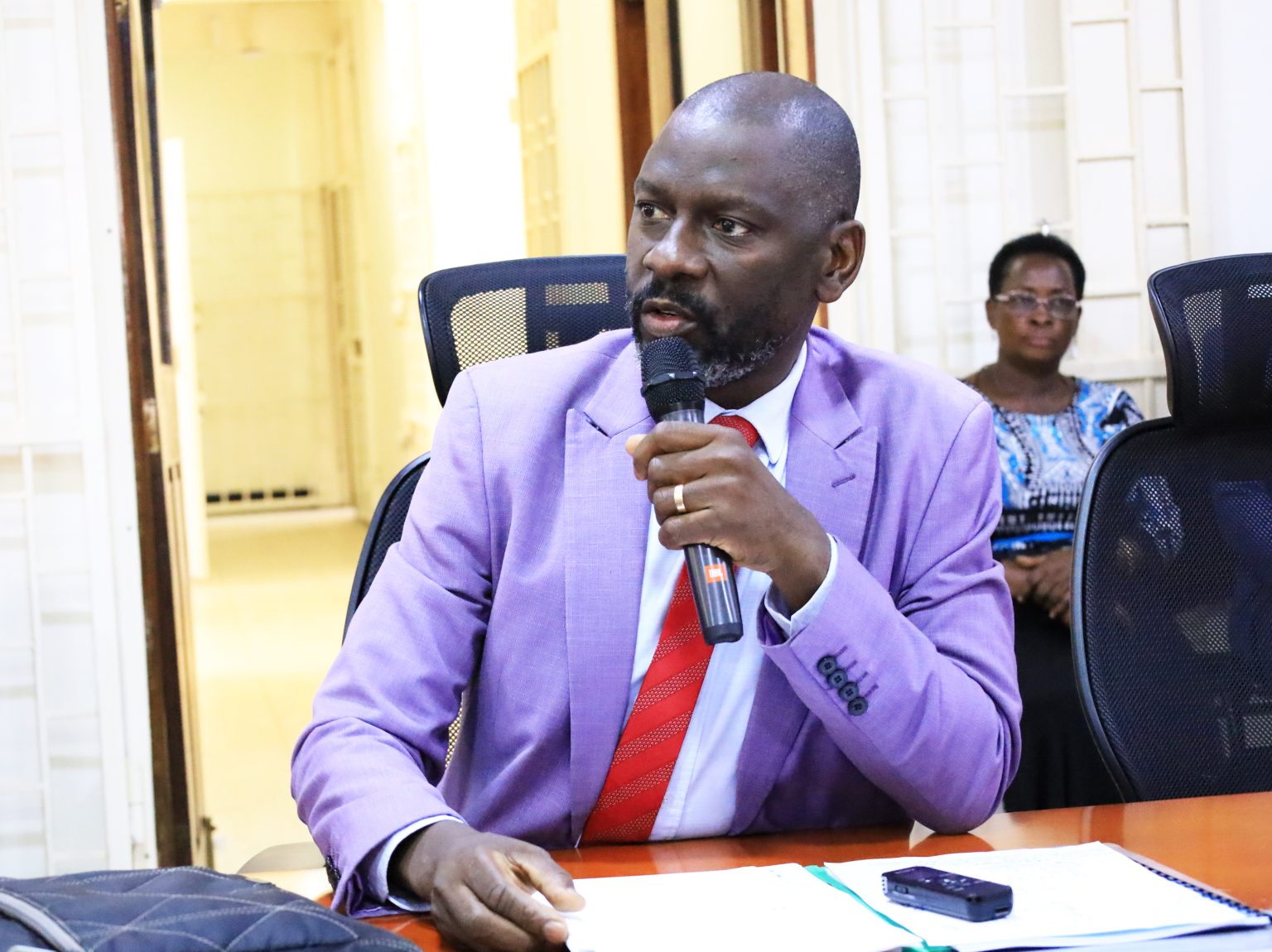
Assoc. Prof. Julius Kikooma outlined reforms within the Directorate of Graduate Training, including the introduction of a structured cohort-based PhD by Research programme designed to enhance supervision, improve monitoring of student progress, and promote timely completion of doctoral studies. He also presented the Research Information Management System (RIMS), a digital platform that tracks graduate research from proposal development through completion.
Makerere Innovation Centre pushes stronger IP protection and commercialisation of research outputs
Representing the Makerere University Innovation Centre (MUTIC), Dr. Margaret Nagwovuma encouraged researchers to protect and commercialize their innovations through the university's Intellectual Property policy. She emphasized that innovation extends beyond science and technology to include social science outputs, creative works, and policy innovations that can generate societal impact.
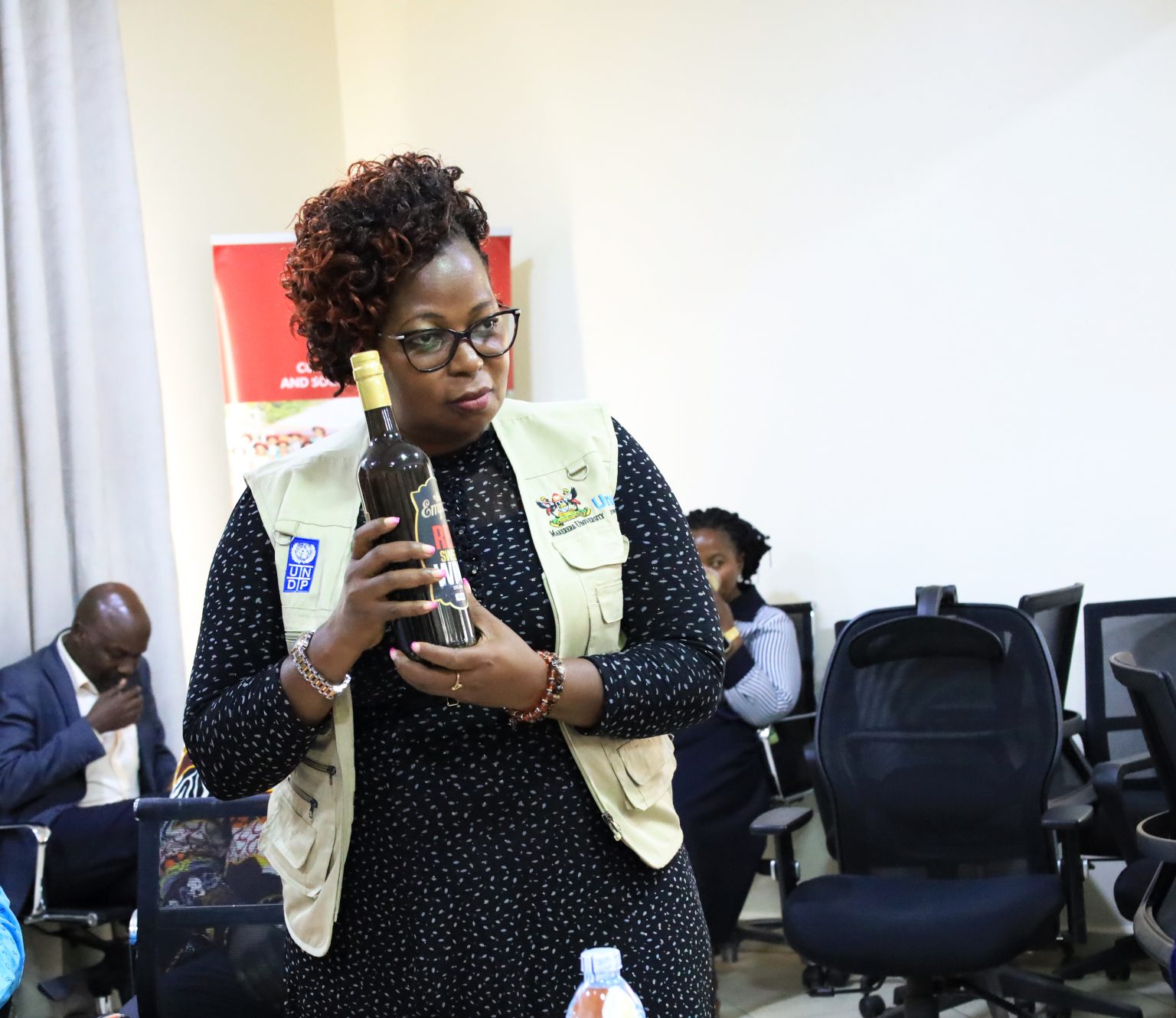
Makerere Writing Centre expands training in academic writing, grantsmanship and ethical AI use
Prof. Fredrick Muyodi, Chair of the Makerere University Writing Centre, highlighted the Centre's role in strengthening academic writing, grant proposal development, publishing, and responsible use of artificial intelligence in research. He encouraged academic staff and postgraduate students to utilize the Centre's mentorship programmes and writing support services to enhance research productivity.
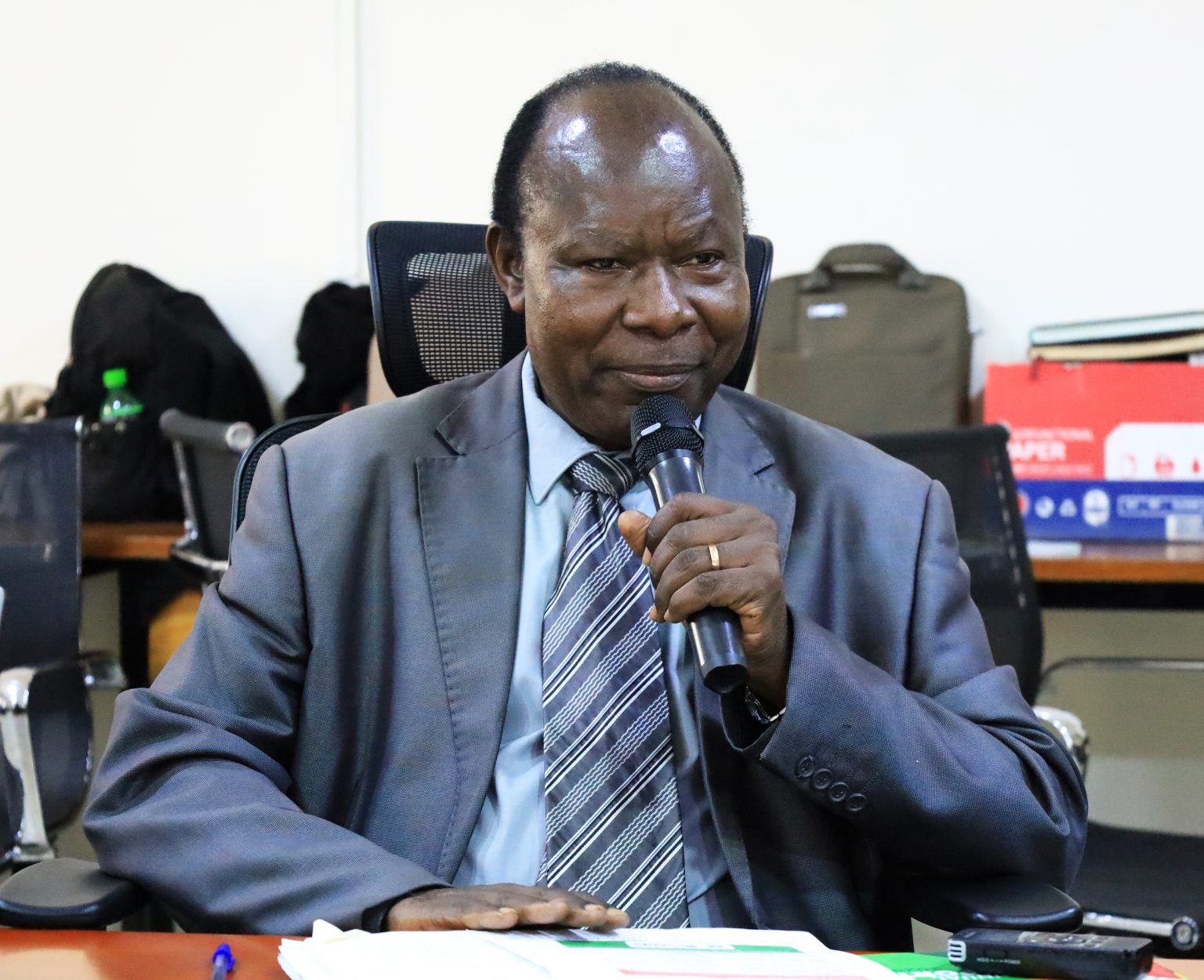
Makerere University Press calls for establishment of departmental journals to boost local publishing
The meeting also heard from the Makerere University Press, which encouraged departments and institutes to establish academic journals to increase the visibility of locally generated scholarship and strengthen institutional publishing capacity.
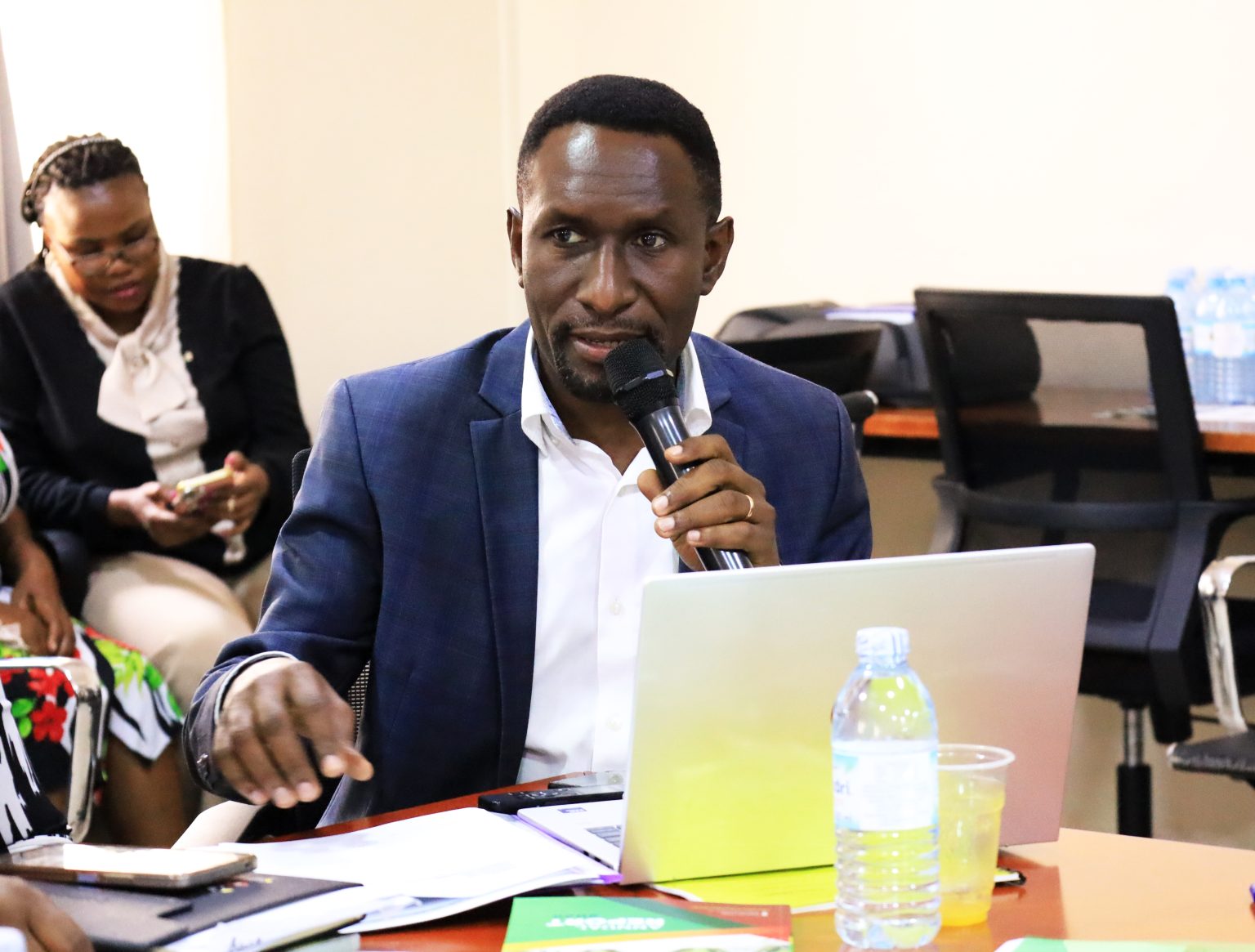
Andrew Mwesigwa, speaking for the Press on behalf of Assoc. Prof. William Tayeebwa, said most departments across the university already have the capacity to host credible academic journals but continue to rely heavily on external publications.
“Potentially, every department in CHUSS has a journal,” he said, urging faculties to build institutional publishing platforms.
Staff Discuss Opportunities and Challenges
The interactive session enabled staff to engage university management on issues affecting graduate education and academic service delivery. Discussions focused on graduate supervision workloads, staff promotions, tuition waivers for doctoral studies, digital research systems, workload recognition, and institutional support for postgraduate training.
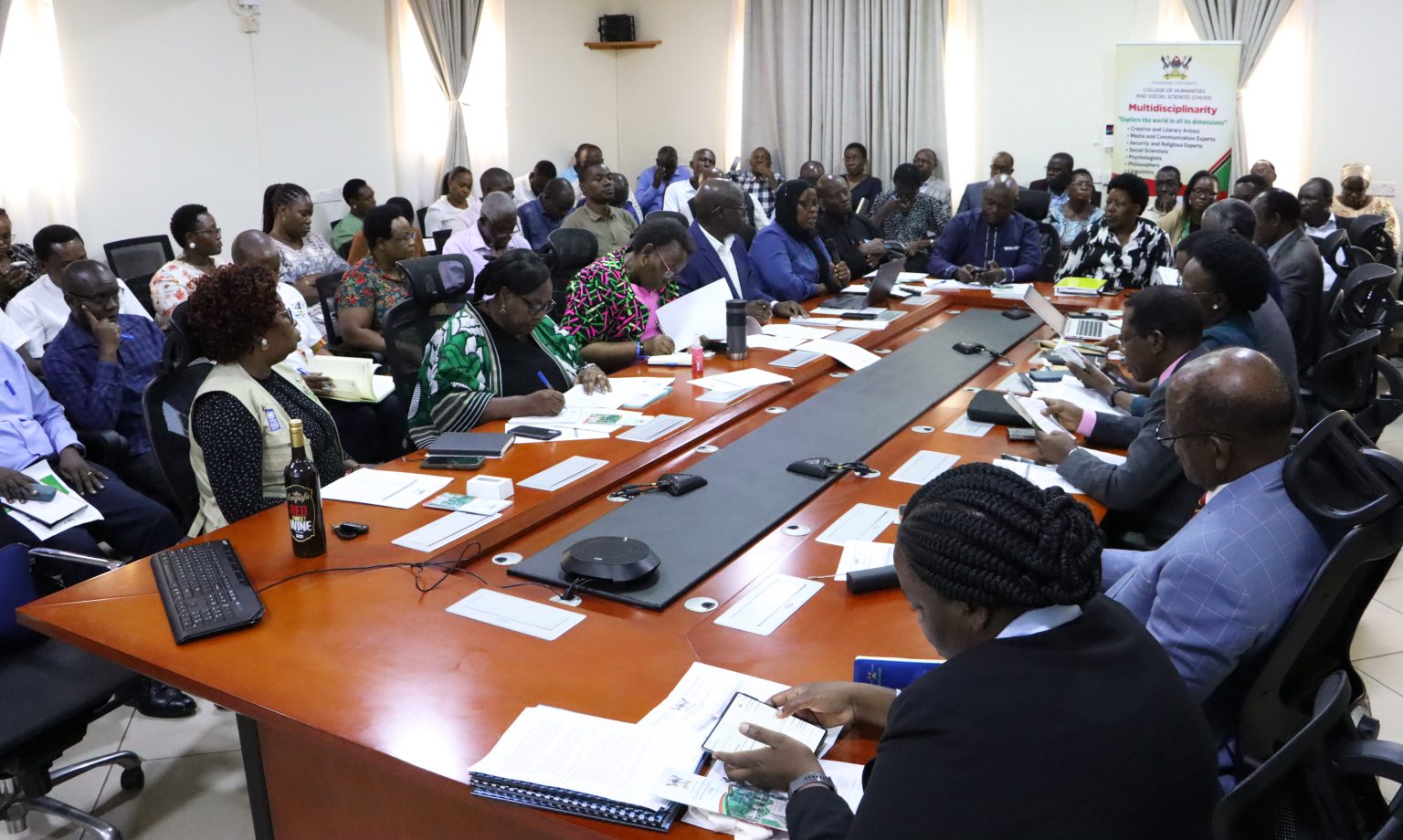
Responding to these concerns, the Vice Chancellor and his delegation reaffirmed the university's commitment to improving workload management through integrated digital systems, strengthening graduate supervision, enhancing research support, and ensuring that policy reforms promote fairness, transparency, and academic excellence.
The university leadership also reiterated its commitment to supporting interdisciplinary supervision, expanding international collaborations, and investing in infrastructure that enables high-quality graduate education.
Advancing the Institute's Vision
The visit reaffirmed the strategic role of the Institute of Gender and Development Studies in advancing graduate education, interdisciplinary research, and knowledge production at Makerere University. As the Institute continues to strengthen its contribution to gender-responsive scholarship and sustainable development, the discussions underscored the importance of investing in doctoral training, research infrastructure, and institutional capacity to support the next generation of African scholars.
For IGDS, the Vice Chancellor's visit served not only as an opportunity to showcase its achievements but also to articulate its aspirations for continued growth as a leading centre for teaching, research, and policy engagement on gender and development in Uganda and across the African continent.
Compiled and Written by Muhammed Kiggundu
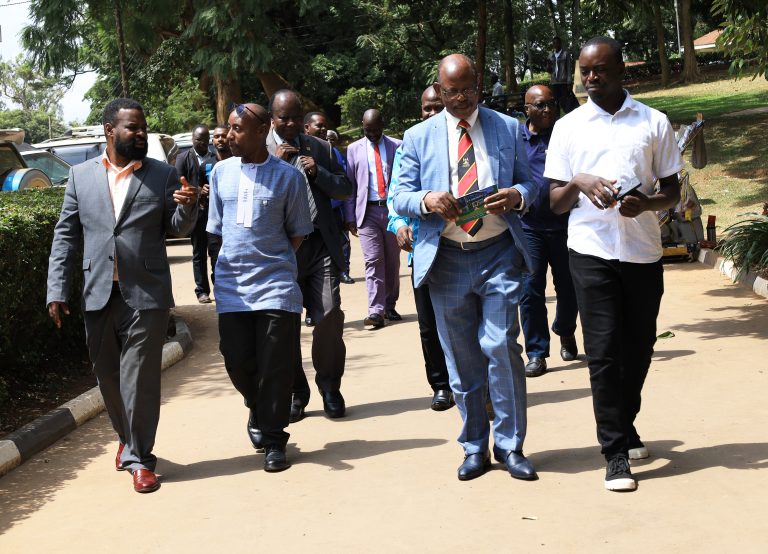

Photo credit: Peninah Nalubega